

Childsplay Clothing Alternative for Active Kids
Table of Contents
- Why Parents Look for a Childsplay Clothing Alternative for Active Kids
- What to Look for in Durable Kids' Clothes for Active Play
- Kids' Activewear Brands: How to Judge Comfort and Movement
- Comfortable Clothes for Active Kids: Fit, Fabric and Fast Dressing
- Footwear That Keeps Up: Clogs, Sandals and Sneakers Compared
- Price and Value: What You Actually Pay for Play-Ready Kids' Apparel
- Age, Activity and Season: Matching the Outfit to the Day
- Conclusion: Building a Play Wardrobe That Lasts
- Frequently Asked Questions
Last Updated: October 5, 2026
Why Parents Look for a Childsplay Clothing Alternative for Active Kids
Parents searching for a childsplay clothing alternative for active kids usually share one complaint: the clothes look good but do not survive real play.
Children's clothing sits in a tough spot. It must be soft enough for sensitive skin, stretchy enough for climbing frames, and durable enough to pass down to a younger sibling.
Below, we break down exactly what to check before you buy: fabric, fit, footwear, and value.
What to Look for in Durable Kids' Clothes for Active Play
Durable kids' clothes start with fabric and construction, not branding. But "look for quality" is useless advice unless you know what quality actually looks like on a tag and in a seam. Here is the specific checklist we use when comparing any childsplay clothing alternative for active kids.
Fabric: match the fibre to the activity
- Everyday basics (t-shirts, leggings): 100% cotton or a cotton-rich blend (90%+ cotton) with 3-5% elastane. The cotton handles breathability and skin comfort; the elastane is what stops knees from bagging out after a week.
- Sports and high-sweat play: look for polyester-spandex blends or cotton-poly mixes. Pure cotton holds sweat and gets heavy; a poly blend wicks and dries faster on the playground.
- Fleece and layers: brushed-back polyester fleece resists pilling better than cheap cotton fleece, which tends to ball up under the arms after a few washes.
Construction: the four seams that fail first
Most kids' clothing does not wear out evenly, it fails at predictable stress points. Check these before you buy:
- Knee panels. Flat-lock or double-stitched knees last far longer than a single overlock stitch. Some brands add a reinforced knee patch; that is a genuine durability signal, not marketing.
- Shoulder and neckline seams. A taped or reinforced neckline keeps a t-shirt from twisting into a spiral after ten washes. Cheap necklines are the number-one reason kids' t-shirts get retired early.
- Crotch and seat seams. On leggings and trousers, look for a gusset (a diamond-shaped insert of fabric at the crotch). Gussets reduce seam stress during squatting, climbing, and sliding, exactly the movements that blow out ordinary seams.
- Waistbands. Encased elastic with a stitched-down top edge resists rolling and twisting. Exposed elastic is cheaper but digs in and loses stretch faster.
Wash performance: the honest test
A garment that fades, pills, or shrinks in the first month is not durable, whatever the tag claims. Two practical rules:
- Wash inside out, cold, and skip the dryer for anything with elastane. Heat is what kills stretch fibres, and it is the single biggest cause of premature wear in kids' activewear.
- Expect 30+ washes from a genuinely durable basic. If a shirt looks tired after five, the fabric weight was too low to begin with.
The sizing trap that shortens garment life
A common mistake is buying one size up to "make it last." Too-loose clothing catches on equipment, rubs at the shoulders, and wears through faster at the hem and cuff, it shortens life rather than extending it. Buy to current measurements with a small allowance (roughly a finger's width at the waist and shoulder), and let the growth spurt be the reason you replace it, not a blown seam. The UK government guidance on children's clothing safety and sizing is a useful starting point for fit and safety basics.
Kids' Activewear Brands: How to Judge Comfort and Movement
Most guides tell you to look for "comfortable" kids' activewear. That is not a test, it is a wish. What actually separates a brand that works for active kids from one that does not is how the garment is built for movement. Here is how to judge that, and how the main construction choices compare.
The three-move test
Before you commit to any brand, have your child do three things at home:
- Deep squat, checks the crotch and seat seams. If the fabric pulls tight or the waistband slides down, the cut is wrong for climbing and playground crouching.
- Overhead reach, checks shoulder and underarm construction. If the shirt rides up and exposes the belly, the torso length or armhole shape is too short for active play.
- Sprint and stop, checks waistband grip and leg length. Waistbands that roll or leggings that ride up during running will be pulled at constantly, which is the fastest way to get a child to refuse a garment.
A brand that passes all three is doing something right in construction, not just fabric.
Stretch direction: the detail most parents miss
Not all stretch is equal. Four-way stretch (fabric stretches both across and lengthwise) is what lets leggings and joggers move with a child during climbing and sports. Two-way stretch (across only) feels fine standing still but restricts movement when a child squats or lunges.
- Leggings and joggers: four-way stretch with 5-10% elastane is the practical sweet spot for active kids.
- T-shirts: a small amount of stretch (3-5%) in the knit helps the shirt move without losing shape; pure rigid cotton is fine for casual wear but less forgiving during sports.
- Shorts: woven shorts with a small elastane content and a gusseted crotch outperform rigid cotton shorts for running and climbing.
Waistbands: the difference between worn and abandoned
A waistband is the single most-complained-about feature in kids' activewear, and the construction matters more than the look:
- Flat, wide, encased elastic distributes pressure and does not dig in during bending. This is the best option for leggings and joggers.
- Drawcord waists work well for older kids and adjustable sizing, but only if the cord is on the inside, external cords are a snag and safety risk on playground equipment.
- Exposed elastic is the cheapest option and the first to roll, twist, and lose stretch. Avoid it for anything a child will run in.
Layering and dressing speed
For toddlers and young children, how fast a child can dress themselves matters as much as how the garment moves. Two construction choices help:
- Matching sets (top and bottom designed together) remove the decision of what goes with what and speed up morning dressing. They also reduce orphaned items, which is a real value gain over a season.
- Simple closures, wide neck openings, elastic waists, hook-and-loop straps on shoes, let children dress independently, which builds confidence and saves parents time every single morning.
What this means when comparing alternatives
When you compare a childsplay clothing alternative for active kids against another brand, do not compare the lookbook. Compare four things: stretch direction, waistband construction, presence of a crotch gusset, and whether the brand offers coordinated sets. A brand that gets those four right will outperform a prettier brand on the playground every time, and that is the comparison most guides never make.
Comfortable Clothes for Active Kids: Fit, Fabric and Fast Dressing
Comfortable clothes for active kids balance a close-but-not-tight fit with fabrics that breathe. Stretchy leggings, soft shirts, and simple closures let children dress themselves, which builds independence and saves time.
Here is how we would build a play wardrobe:
| Garment | What to Prioritise | Why It Matters |
|---|---|---|
| T-shirts | Soft cotton, reinforced neckline | Holds shape through frequent wear |
| Leggings | Stretch with a flat waistband | Moves without slipping during play |
| Matching sets | Coordinated fit and colour | Faster dressing, fewer lost items |
| Footwear | Lightweight, easy on and off | Keeps up with running and sports |
Frequent wear is the real test. A shirt that survives thirty washes without pilling is worth more than three cheap ones that do not.
Boys Girls Garden Clogs Beach Sandals Kids(Toddler/Little Kids/Big Kids) →
Footwear That Keeps Up: Clogs, Sandals and Sneakers Compared
Footwear decides whether an outfit is genuinely play-ready. Lightweight, easy-clean clogs suit garden and beach days, while breathable sneakers handle running, sports, and school.
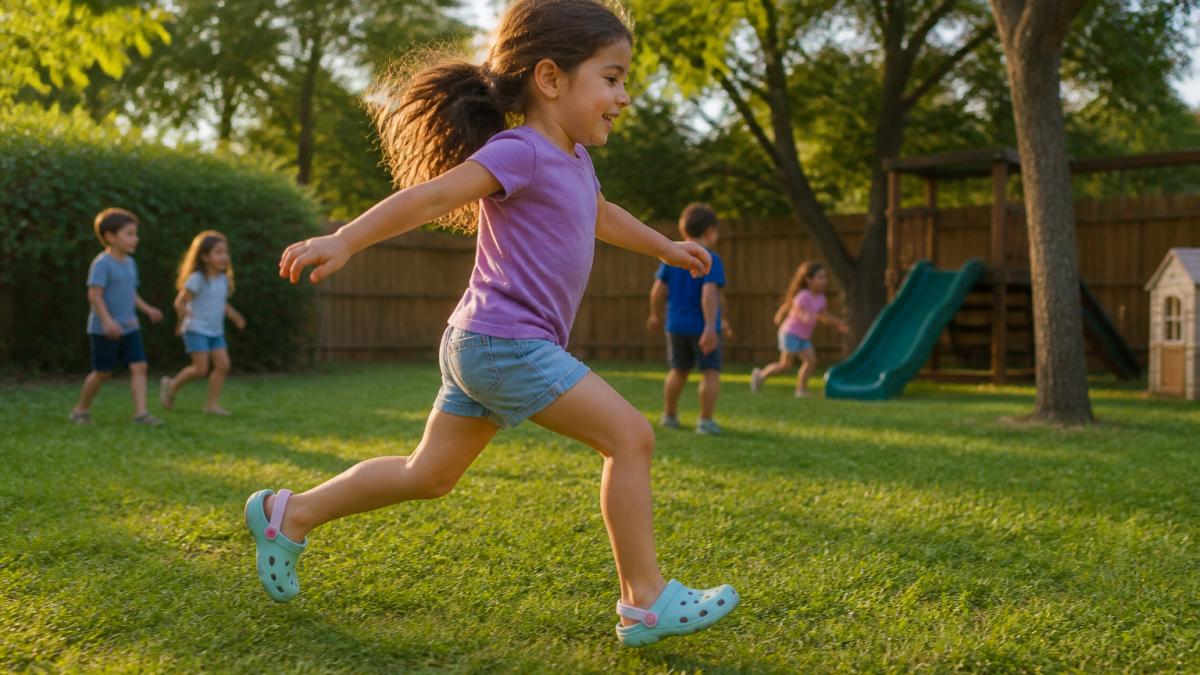
Here are the options we recommend, with real prices:
| Product | Price | Best For |
|---|---|---|
| Boys Girls Garden Clogs Beach Sandals | $41.03 | Garden play, beach, easy on and off |
| Kids Breathable Athletic Running Shoes | $39.96 | Running, tennis, everyday sports |
| PU Leather Waterproof Sneakers | $23.58 | Wet weather, grip on mixed surfaces |
| Breathable Mesh Sneakers | $17.81 | Toddlers, soft first steps |
The garden clogs use an EVA non-slip sole and flip-down slingback strap, so wiggly kids can step in and out without help. The athletic running shoes weigh under 300g a pair, with a knitted mesh upper and a hook-and-loop strap instead of laces.


Price and Value: What You Actually Pay for Play-Ready Kids' Apparel
Price and value are not the same thing. A $17.81 pair of mesh sneakers that lasts a full season beats a cheaper pair replaced twice.
When we compare value, we look at cost per season of wear:
- Everyday basics: Buy more of the cheap, hard-working pieces like shirts and leggings.
- Footwear: Spend where durability and grip matter, since shoes take the heaviest beating.
- Matching sets: Fewer decisions, fewer orphaned items, better value overall.
Our footwear runs from $17.81 to $41.03, which keeps a full play wardrobe affordable. Families with active lifestyles need practical apparel, not luxury pricing.
Age, Activity and Season: Matching the Outfit to the Day
Age, activity, and season should drive every clothing decision. A toddler needs soft, easy-on pieces; a young child in sports needs stretch and breathability; a teen wants style that still survives play.
Match the outfit to the day:
- Newborn and toddler: soft fabrics, simple closures, gentle on sensitive skin.
- Active young children: stretchy leggings, breathable shirts, grippy footwear.
- Warmer months: lightweight, quick-drying pieces and sandals or clogs.
Season-specific planning prevents the classic mistake of a wardrobe full of summer pieces that never get worn in winter. Build a base of everyday staples, then add season layers on top.
Conclusion: Building a Play Wardrobe That Lasts
Building a play wardrobe that lasts is about choosing fabric, fit, and footwear that match how your children actually play, not how the catalogue photographs.
At Tees and Kids Toys, we stock the highest quality t-shirts and kids toys at reasonable prices, backed by a full satisfaction guarantee and outstanding customer service. Our durable, trendy footwear is built for active play, from garden clogs to breathable running shoes.
Shop now with Tees and Kids Toys and give your kids clothing that keeps up with every afternoon of play.
Frequently Asked Questions
What are the best alternatives to Childsplay Clothing for active kids?
Look for a retailer that stocks play-ready pieces rather than occasion wear: lightweight sneakers under 300g, breathable mesh uppers, non-slip soles, and tops that survive frequent washing. Tees and Kids Toys covers this ground with footwear from $17.81 to $41.03, including garden clogs with EVA non-slip soles and athletic sneakers with a strap closure kids can manage alone. The deciding factor is whether the fit allows movement, not the label on the tag.
What should parents look for in durable kids' clothes?
Check three things: the closure, the fabric and the sole. Hook-and-loop straps that stay sticky after months of use, knitted mesh that keeps feet dry, and deep anti-slip tread all point to gear that lasts. One Tees and Kids Toys sneaker model lists a segmented heel that flexes with the foot. Reinforced construction at the toe and heel matters more than thread count or marketing claims.
Which kids' activewear brands offer comfortable everyday playwear?
Rather than chasing a single brand, judge each item against what your child does in it. Comfortable clothes for active kids share a few traits: soft, stretchy fabric, seams that sit flat against skin, and a cut that does not ride up when they run. For footwear, breathable mesh uppers and soft EVA soles prevent the rubbing that causes kids to refuse shoes. Tees and Kids Toys stocks options across toddler to big kid sizes, so you can size by foot length rather than age.
How can I choose kids' clothes that hold up to frequent washing?
Buy for washability first. Look for easy-clean materials, colourfast fabrics, and shoes you can rinse rather than scrub. Tees and Kids Toys clogs are described as easy to clean, breathable, fast drying and waterproof, which suits muddy playgrounds far better than fabric trainers. For apparel, avoid delicate trims and hand-wash-only labels. Rotating three or four outfits rather than two also spreads the wear and keeps each piece in service longer.
Are designer kids' clothes practical for everyday play?
Rarely, if the goal is daily wear for an active child. Designer and premium apparel often prioritises style over movement, and the price per wear climbs fast when a piece is outgrown in a season. Practical playwear wins on stretch, breathability and durability, and it costs less to replace. Tees and Kids Toys keeps footwear between $17.81 and $41.03, which means you can buy two pairs for the price of one premium item and always have a dry set ready.