

Comfortable Footwear for Growing Kids: 9 Best Shoes
Table of Contents
- Why Comfortable Footwear for Growing Kids Matters
- How to Measure Kids Feet Size at Home
- Kids' Shoe Size Chart and Growth Tracking
- How Much Room Should Kids Have in Their Shoes
- Best Shoes for Toddlers: Features That Support Development
-
9 Top Comfortable Footwear Options for Growing Kids
- 1. Breathable Mesh Kids Sneakers: Lightweight Everyday Wear
- 2. Kids Breathable Athletic Running Shoes: Performance and Comfort
- 3. PU Leather Sneakers: Waterproof Protection with Flex Support
- 4. Kids Casual Breathable Tennis Sneakers: Versatile Daily Option
- 5. Summer Sandals: Soft Sole and Non-Slip Grip
- 6. Garden Clogs: Easy On-and-Off for Active Play
- 7. LED Light-Up Running Sneakers: Fun Engagement Factor
- 8. Soft Sole Baby Walking Shoes: First Walker Support
- 9. Leather Loafer Dress Shoes: School and Occasion Wear
- Quick Comparison: Which Shoe Type Fits Your Child's Needs
- Common Mistakes When Buying Shoes for Growing Feet
- Frequently Asked Questions
Last Updated: October 10, 2026
Why Comfortable Footwear for Growing Kids Matters
Between ages 0 and 6, kids' feet grow a full shoe size every few months. Comfortable footwear for growing kids supports healthy foot development during critical years when bones are still forming and children are learning to walk, run, and play.
Shoes that are too tight restrict natural movement and cause developmental issues; shoes that are too loose create instability and increase injury risk. Getting the fit right matters.
How to Measure Kids Feet Size at Home
Measuring your child's feet at home is the most accurate way to find the right shoe size.
Start by having your child stand barefoot on a piece of white paper. Place the paper against a wall or flat surface so your child's heel touches the wall. Using a ruler or measuring tape, mark where the longest toe reaches. Measure the distance from the wall to that mark in centimeters or inches. This is your child's true foot length.
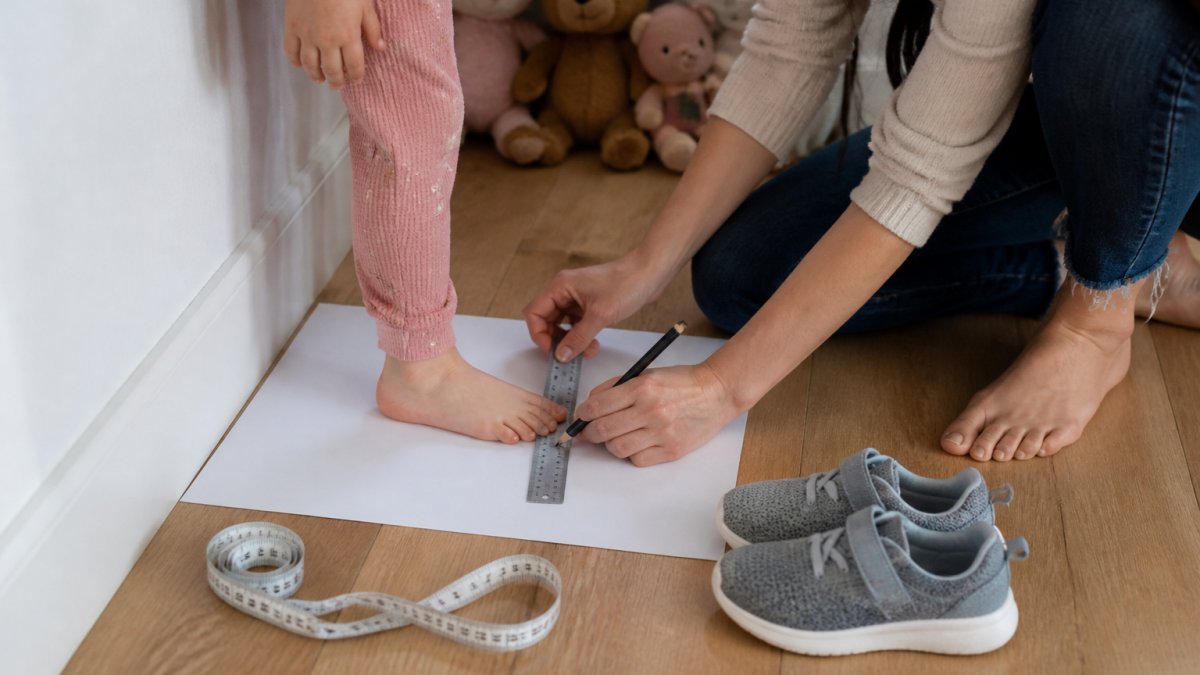
Measure both feet and use the longer measurement. Always measure in the afternoon or evening when feet are slightly swollen from activity.
Add 0.5 to 1 centimeter to your child's actual foot length to prevent shoes from becoming too tight during growth spurts, the standard used by pediatric footwear experts.
Kids' Shoe Size Chart and Growth Tracking
Children's shoe sizes vary by individual foot development, not age. Measuring matters more than age.
Here's how to track your child's growth and know when to size up:
Track measurements every 2-3 months. Most children grow about half a shoe size every two to three months during early childhood, though growth isn't always steady (ncbi.nlm.nih.gov).
Watch for signs your shoes are too small. Complaints of tightness, inability to fit a finger between heel and shoe, or red marks after an hour of wear mean it's time to size up.
Use a size chart specific to the shoe brand. Different manufacturers use different lasts, so always check the brand's size chart before ordering.
How Much Room Should Kids Have in Their Shoes
Leave room for approximately one finger's width (0.5 to 1 centimeter) between your child's longest toe and the shoe end, allowing natural toe wiggle while keeping the heel stable.
A wide toe box allows toes to spread during walking and running, essential for healthy foot development. Pinched toes restrict natural spreading and can create structural issues.
Press gently on the shoe above the child's longest toe, you should feel slight give. Hard shoes are too tight; easily sinking fingers mean too much room.
The heel should grip securely without slipping. Heel sliding creates an unstable gait.
Best Shoes for Toddlers: Features That Support Development
The best shoes for toddlers share these characteristics:
Flexible soles. Look for shoes that flex easily at the ball of the foot without significant resistance in your hands.
Lightweight construction. Quality toddler shoes typically weigh under 300 grams per pair.
Breathable materials. Mesh fabrics and breathable linings keep feet dry and prevent fungal infections.
Wide toe boxes. Look for shoes with extra toe room to allow natural spread and prevent developmental issues.
Soft, cushioned insoles. Provide comfort without forcing artificial arch support that growing feet don't need.
Easy on and off. Velcro closures and slip-on designs support independence and ease for parents.
9 Top Comfortable Footwear Options for Growing Kids
1. Breathable Mesh Kids Sneakers: Lightweight Everyday Wear
The Breathable Mesh Kids Sneakers ($17.81) feature a breathable mesh upper and flexible soft sole for natural movement. Best for everyday casual wear, school, and playground time.
2. Kids Breathable Athletic Running Shoes: Performance and Comfort
The Kids Breathable Athletic Running Shoes ($39.96) weigh under 300 grams with magic tape closure and anti-slip soles. Best for active children across multiple activities.
3. PU Leather Sneakers: Waterproof Protection with Flex Support
The PU Leather Sneakers ($23.58) offer waterproof protection, ergonomic flex sole, and impact-resistant toe cap. Best for wet weather and durability.
4. Kids Casual Breathable Tennis Sneakers: Versatile Daily Option
The Kids Casual Breathable Tennis Sneakers ($25.64) work for school, casual play, and light sports. Best for versatile daily wear.
5. Summer Sandals: Soft Sole and Non-Slip Grip
The Summer Sandals ($27.71) feature non-slip soft soles and breathable design. Best for warm-weather play and water activities.
Breathable Mesh Kids Sneakers 2026 Casual Infant Baby Girls Boys Shoes Soft →
6. Garden Clogs: Easy On-and-Off for Active Play
The Garden Clogs ($41.03) offer easy on-and-off construction, waterproof design, and non-slip soles. Best for quick-transition play and water activities.
7. LED Light-Up Running Sneakers: Fun Engagement Factor
The LED Light-Up Running Sneakers ($26.28) feature battery-powered LED soles that light up during walking. Best for kids needing motivation to wear shoes and evening visibility.
8. Soft Sole Baby Walking Shoes: First Walker Support
The Soft Sole Baby Walking Shoes at $15.86 are designed specifically for first walkers. These are soft, flexible shoes that support the critical early walking phase without restricting natural movement.
The combed cotton construction is breathable and soft against developing skin. The anti-slip design prevents slipping on smooth floors. The mesh face allows airflow to keep feet cool. These are essentially soft shoes designed for babies just learning to walk, they provide minimal support because first walkers need to develop their own balance and foot strength.
What works: The soft, flexible design is perfect for the first walking phase. The breathable materials keep feet comfortable. The price is very affordable.
What doesn't: These are designed for early walkers, not for toddlers who are already walking confidently. As children develop better balance and need more structured support, they'll outgrow these quickly.
Best for: Babies just learning to walk who need minimal, soft footwear.
9. Leather Loafer Dress Shoes: School and Occasion Wear
The Leather Loafer Dress Shoes at $33.98 provide comfortable formal footwear for school and special occasions. These aren't just dress shoes, they're designed with comfort features that let kids wear them all day without pain.
The high-quality artificial leather upper is breathable and keeps feet dry. The thick memory foam insole provides cushioning for extended wear. The slip-on design with tassel bow makes dressing easy. These shoes work for school, holidays, weddings, and formal events. The classic styling means they work with most outfits.
What works: The memory foam insole is a genuine comfort feature that makes these wearable for extended periods. The slip-on design means kids can put them on independently. The classic styling ensures they work for years without looking dated.
What doesn't: These are dress shoes, not everyday wear, so they're not appropriate for active play.
Best for: School wear, formal events, and occasions requiring dress shoes.
Quick Comparison: Which Shoe Type Fits Your Child's Needs
| Shoe Type | Best For | Price | Key Feature | When to Choose |
|---|---|---|---|---|
| Breathable Mesh Sneakers | Everyday casual wear | $17.81 | Lightweight, breathable | Budget-friendly daily option |
| Athletic Running Shoes | Active play, multiple sports | $39.96 | Under 300g, anti-slip | Kids who run and jump |
| PU Leather Sneakers | Waterproof protection | $23.58 | Waterproof, flex sole | Wet weather, durability |
| Casual Tennis Sneakers | School and general wear | $25.64 | Versatile styling | One pair for multiple uses |
| Summer Sandals | Warm weather, water play | $27.71 | Non-slip, soft sole | Pool and beach time |
| Garden Clogs | Quick-transition play | $41.03 | Easy on-and-off | Playground and outdoor play |
| Light-Up Running Shoes | Engagement and visibility | $26.28 | LED lights, mesh | Evening play, motivation |
| Soft Sole Baby Shoes | First walkers | $15.86 | Flexible, soft | Babies just learning to walk |
| Leather Dress Shoes | School and formal events | $33.98 | Memory foam, slip-on | Dress occasions |
Common Mistakes When Buying Shoes for Growing Feet
Most parents make predictable mistakes that lead to uncomfortable shoes and wasted money. Knowing what to avoid saves both money and frustration.

Buying shoes based on age instead of foot measurement. This is the biggest mistake. A 4-year-old's shoe size varies wildly depending on that individual child's foot development.
Not leaving enough room for growth. Parents often buy shoes that fit perfectly today, forgetting that children's feet grow constantly.
Buying one pair of shoes for all situations. Different activities actually do require different shoes. A lightweight mesh sneaker designed for casual wear won't provide the support needed for serious running. Dress shoes aren't appropriate for playground play.

Prioritizing appearance over function. Children don't care if their shoes are fashionable, they care if they're comfortable. Shoes that look great but feel bad get rejected by kids, and you've wasted money. Prioritize comfort and function; appearance is secondary.
Not checking fit in the afternoon. Feet swell throughout the day as activity increases. A shoe that fits in the morning might feel tight by afternoon.
Assuming online reviews tell the full story. Reviews are helpful but incomplete. A shoe that's perfect for one child's foot shape might not work for another.
Buying shoes without a return policy. Children's feet are unique, and what fits one child doesn't fit another.
The difference between shoes that work and shoes that create problems comes down to careful measurement, understanding your child's individual foot development, and choosing shoes designed with growing feet in mind.
Finding the right comfortable footwear for growing kids doesn't have to be complicated.
Frequently Asked Questions
How often should you check a child's shoe size?
Growing feet change rapidly, especially between ages 2 and 6. Check shoe size every 6 to 8 weeks, or whenever your child complains of tight shoes or you notice their toes touching the shoe end. Many parents find it helpful to measure at the start of each season. Children's feet can grow a full size in just a few months during growth spurts, so regular checks prevent discomfort and ensure proper foot development.
What features should you look for in comfortable kids' shoes?
Look for flexible soles that bend naturally with your child's foot movement, breathable materials to prevent sweaty feet, and lightweight construction so shoes don't tire growing legs. A wide toe box allows toes to spread naturally, while soft padding and non-slip soles provide safety and stability. Proper heel support and room for growth (about 0.5 to 1 centimetre beyond the longest toe) are essential. Shoes with easy closures like velcro or magnetic straps help children put on shoes independently.
Should you buy bigger shoes for kids to allow for growth?
Yes, but not too much bigger. Children need 0.5 to 1 centimetre of extra space beyond their longest toe to allow for growth and natural foot movement. This prevents tripping while accommodating growth spurts. Buying shoes that are too large compromises stability and can cause blisters, while shoes that are too tight restrict foot development and cause discomfort. Use the thumb-width rule: you should fit one thumb's width between the back of your child's heel and the shoe's back.
How should shoes fit a growing child?
Shoes should fit snugly around the heel and midfoot without slipping, with a slightly loose fit across the toe area to allow toe spread and growth room. Your child should be able to wiggle their toes comfortably. The heel should not slip when walking, and there should be no pressure points or rubbing. Always measure both feet, as children often have slightly different sizes. Fit shoes in the afternoon when feet are slightly swollen from daily activity, as this gives the most accurate fit.
What are the best shoes for toddlers just learning to walk?
The best toddler shoes have soft, flexible soles that allow natural foot movement and ground feel, lightweight construction that doesn't tire developing legs, and secure closures that stay on during active play. Look for breathable materials to keep feet dry and comfortable. Shoes with a wide toe box support healthy foot development, while non-slip soles provide safety on various surfaces. Soft materials and minimal padding help toddlers develop balance and proprioception.